
Commercial Building Overheating and Solar Shading Solutions
We assess overheating, solar gain, glare and glazed areas to help you specify practical shading solutions for new and existing commercial buildings.


Overheating Assessment
Review affected spaces, glazing, façade orientation, existing shading and building use to identify practical solar-control options.
Shading Specification
Compare blinds, fabrics, window film, external shading and controls against your performance, design and access requirements.

Retrofit Solutions
Upgrade buildings with external shading, replacement blinds, solar-control fabrics, motorisation or window film where appropriate.

Supply and Installation
Coordinate surveying, manufacture, specialist access, installation, testing and handover through one experienced shading contractor.

What Causes Overheating in Commercial Buildings?
Overheating is often concentrated around particular façades, floors or heavily glazed areas. Common contributing factors include:
- Large areas of curtain-wall glazing, full-height windows, atria or rooflights
- East, south and west-facing façades with prolonged solar exposure
- Glazing with limited solar-control performance
- Heat generated by occupants, lighting and equipment
- Limited ventilation or high cooling demand
- Missing, damaged or unsuitable existing blinds
Understanding where and when overheating occurs helps identify which areas need attention and which shading options are worth assessing.
How Solar Shading Can Help
Solar shading can reduce the amount of solar energy entering through glazed areas while helping control glare and occupant comfort. Depending on the building, suitable options may include:
- Reflective or metallised blind fabrics
- Internal solar-control roller blinds
- Motorised or automated shading
- External louvres or brise soleil
- Rooflight and atrium blinds
- Solar-control window film
The right approach depends on the glazing, façade orientation, building use, existing HVAC, required outward views and installation constraints.
For existing buildings, targeted retrofit measures can also be assessed before larger interventions such as glazing replacement or changes to cooling systems.
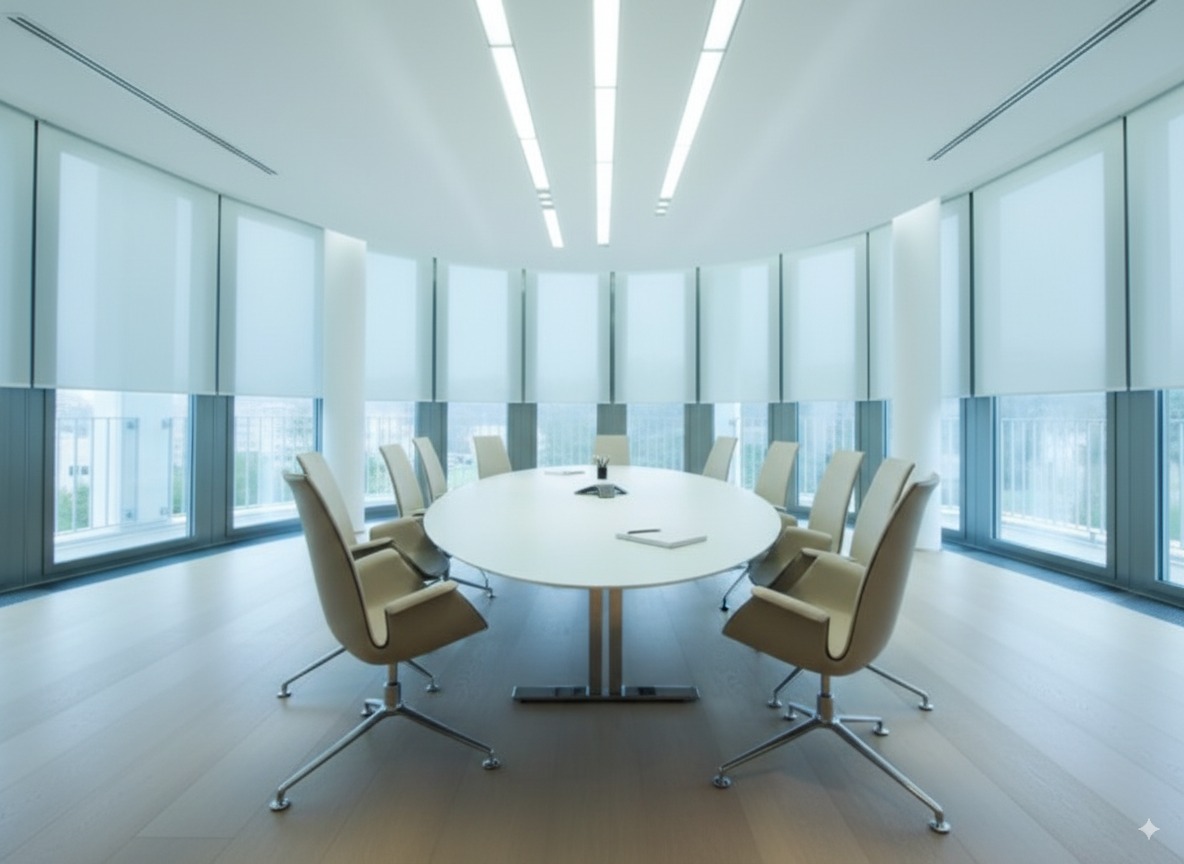
Which Solar Shading Solution Suits Your Building?
Compare the building situation, glazing and project constraints to identify the solar shading options worth assessing.
|
Building situation |
Options to investigate |
|---|---|
|
Existing office with overheating complaints |
Solar-control roller blinds, reflective fabrics, window film, motorisation |
|
New commercial office |
Internal blinds, automated shading, external shading |
|
High-rise glazed façade |
Zoned blinds, reflective fabrics, motorisation, external systems where feasible |
|
Large atrium |
Motorised tensioned or specialist rooflight blinds |
|
Rooflight or skylight |
Purpose-designed rooflight blind systems |
|
Healthcare building |
Solar-control blinds, specialist fabrics, motorisation |
|
Education building |
Durable roller blinds, solar-control fabrics, automated systems |
|
Sensitive façade |
Internal shading or appropriate window film |
|
External shading impractical |
Internal reflective shading, window film or automated blinds |
Commercial Solar Shading Solutions
Explore the shading systems available to manage overheating, solar gain and glare across different commercial building types and glazed areas.
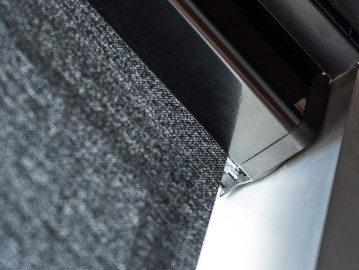
Internal Roller Blinds

Reflective Solar-Control Fabrics
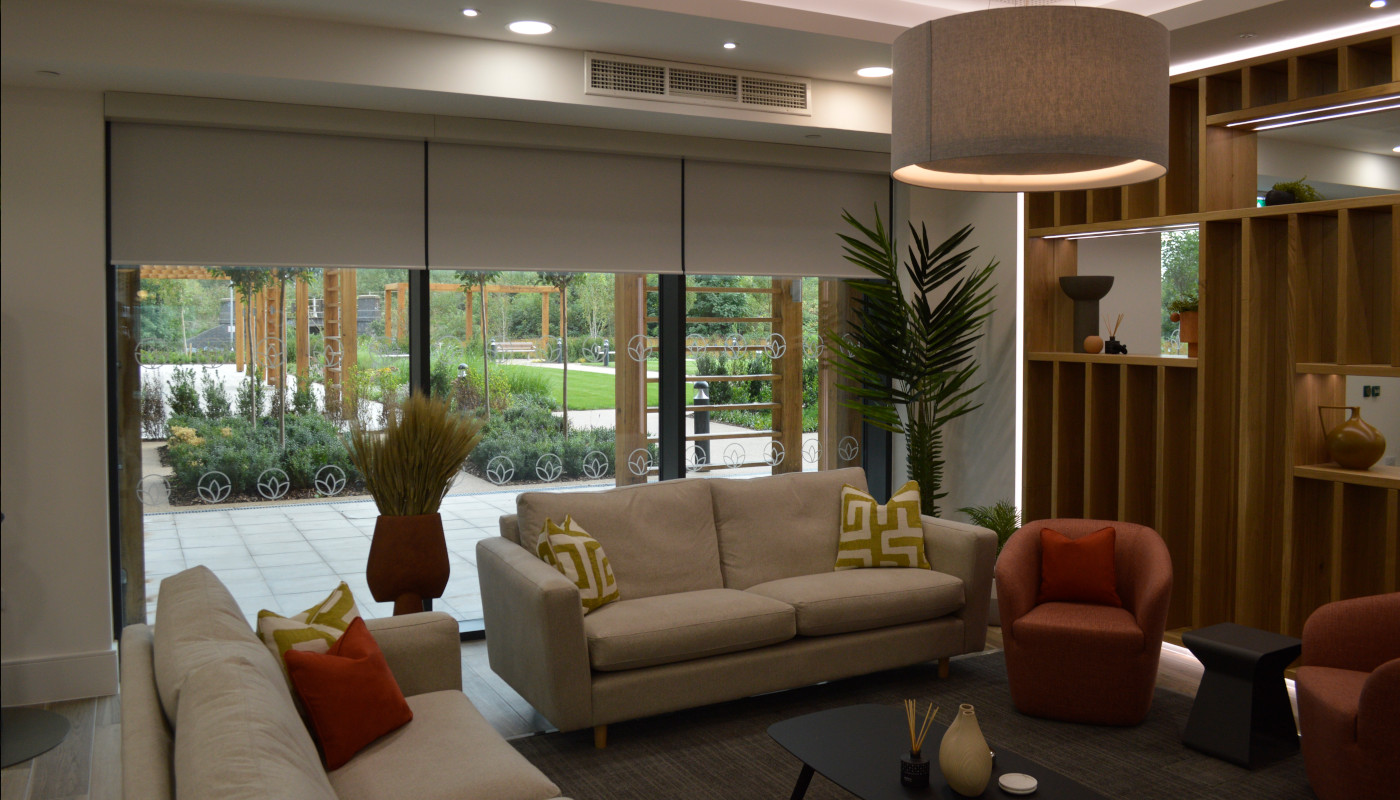
Motorised Blind Systems
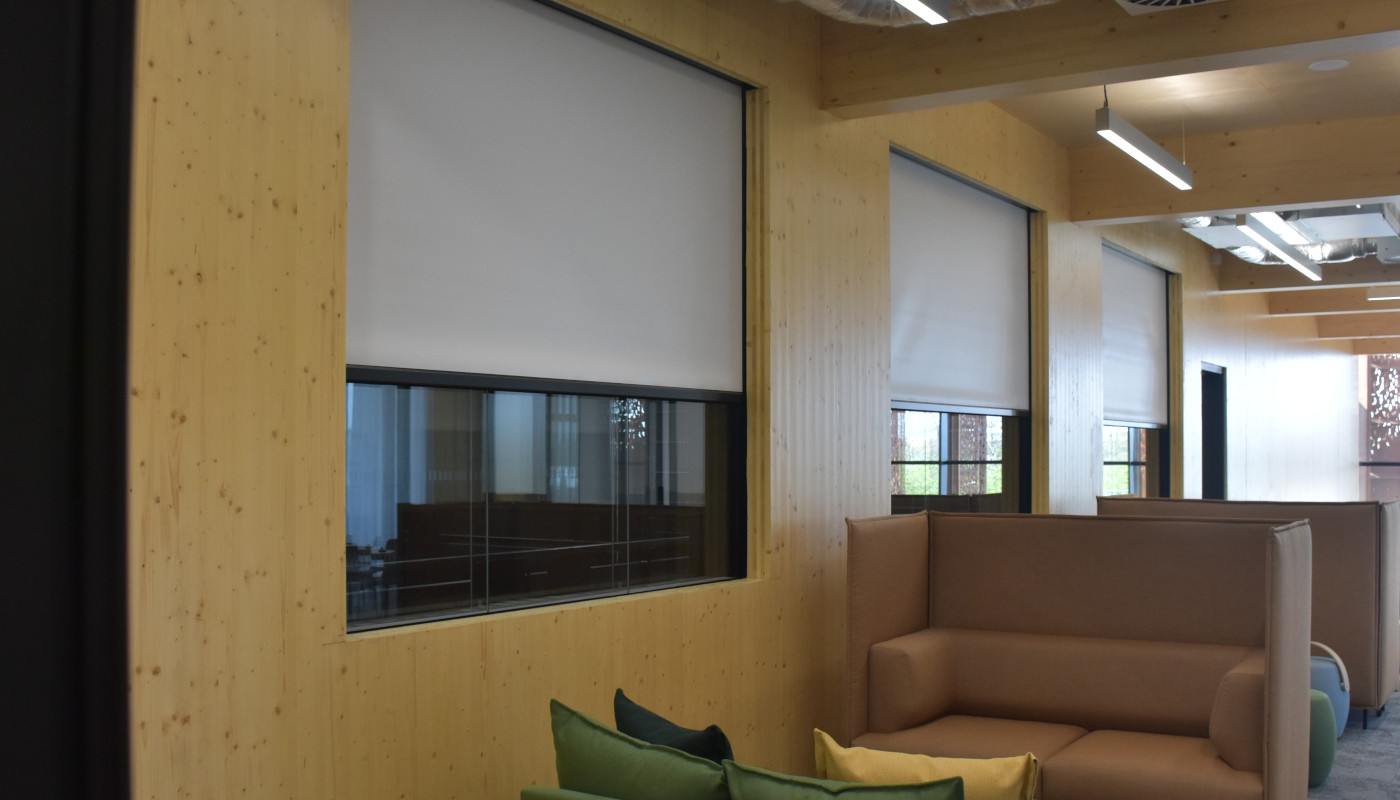
Automated Solar Shading
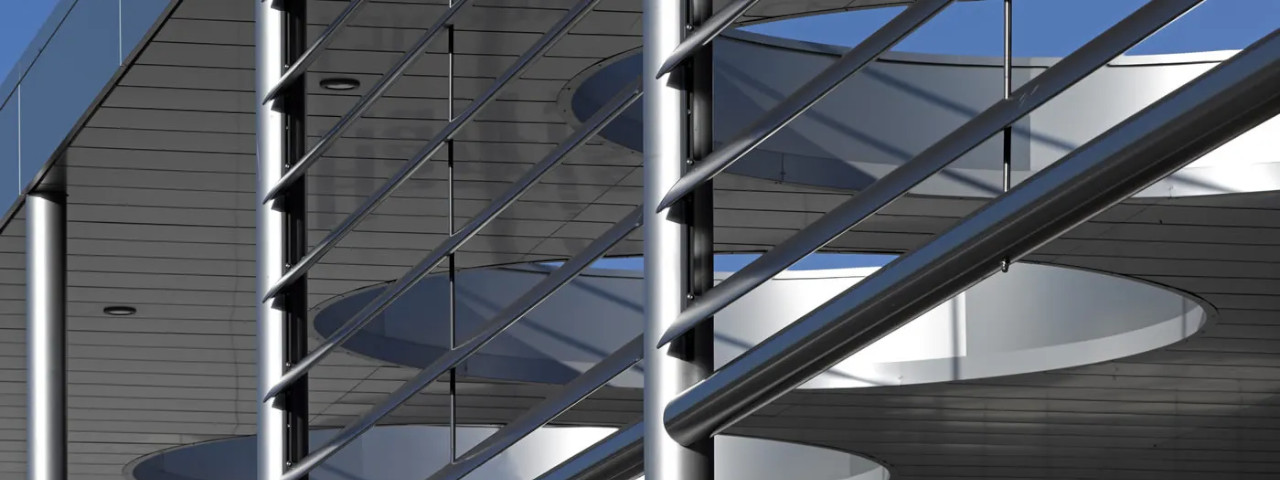
External Solar Shading
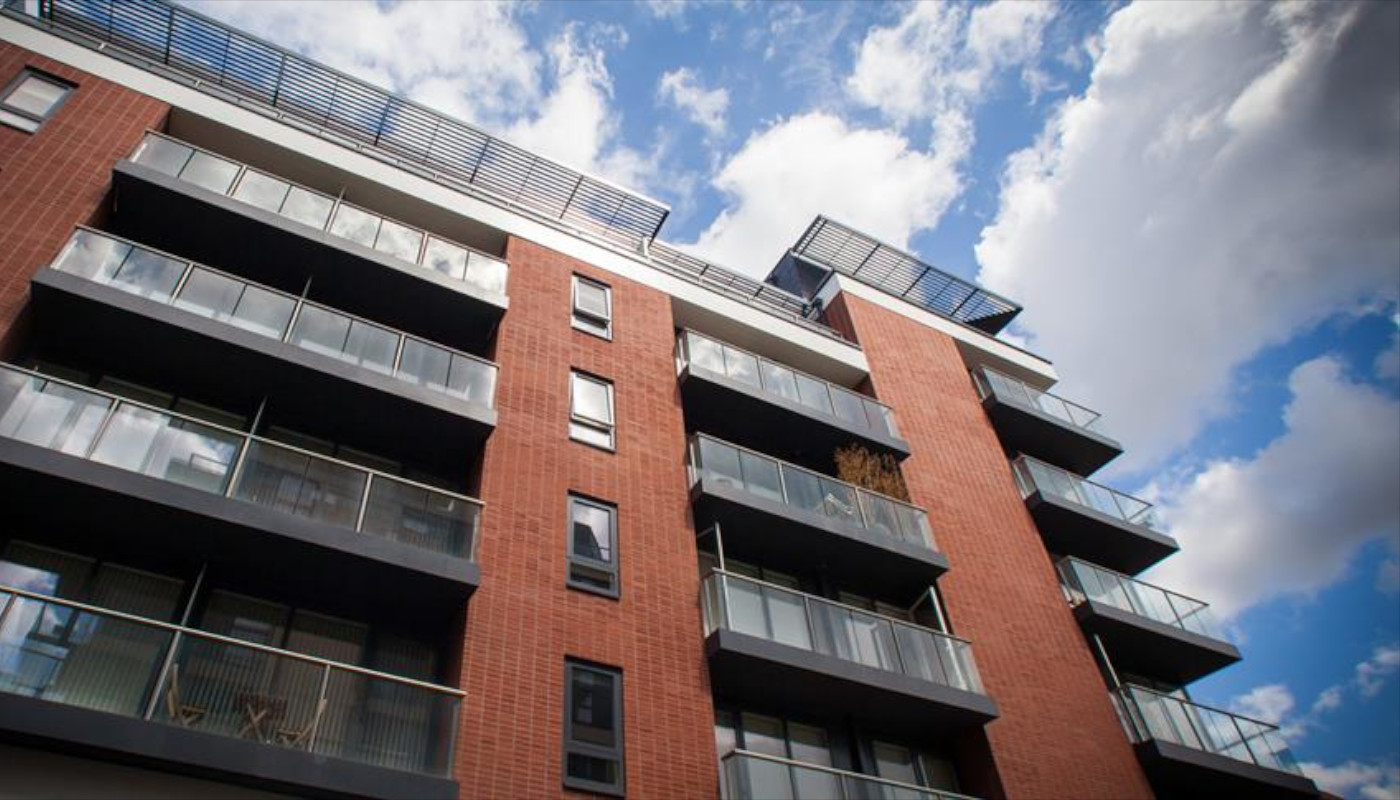
Fixed Brise Soleil Shading
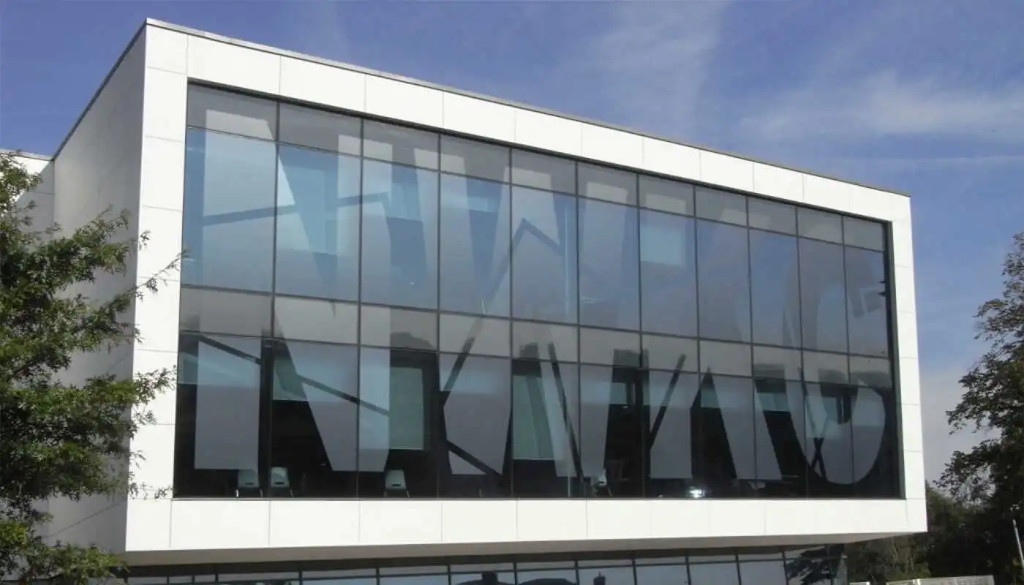
Solar-Control Window Film
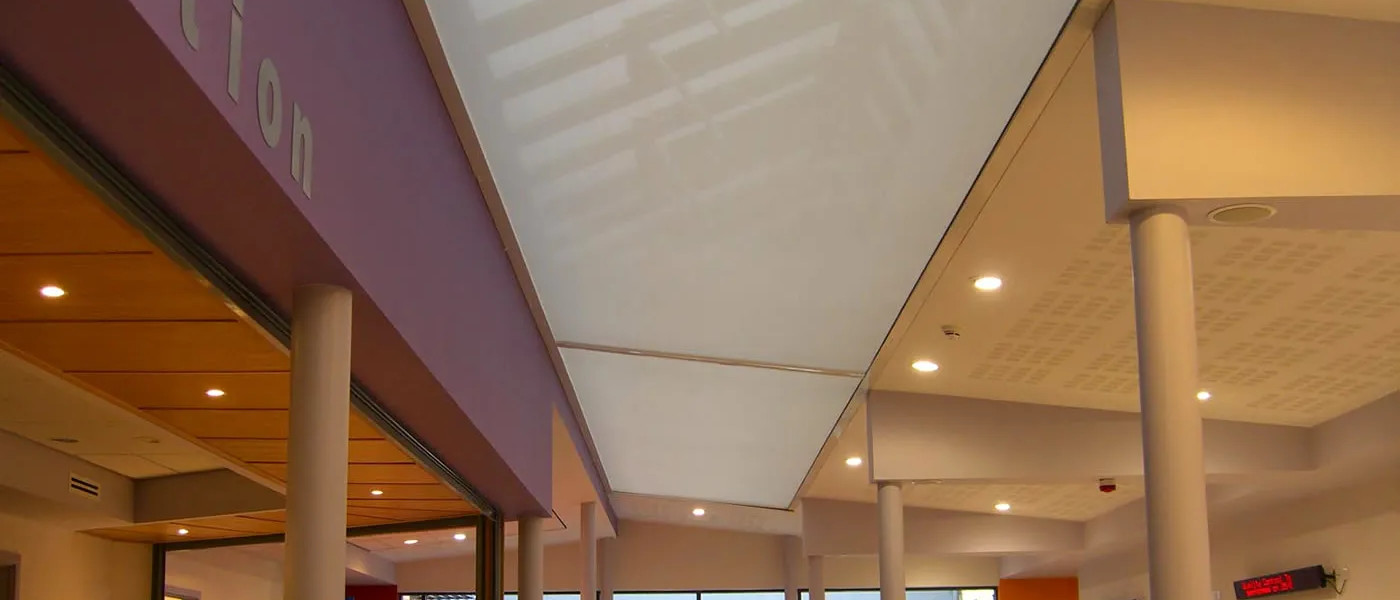
Rooflight and Atrium Blinds
What Should Be Assessed Before Specifying Solar Shading?
Review the building, glazing, occupancy and project requirements to identify the most appropriate shading approach before specification.
Building and Façade
Confirm orientation, glazed areas, window dimensions, glazing specification and any existing solar-control coatings.
Overheating and Occupancy
Review affected rooms, times of day, occupancy, internal heat gains, glare complaints and required outward views.
Shading and Controls
Assess existing blinds, fabric requirements, external shading feasibility, motorisation, sensors and BMS requirements.
Installation and Maintenance
Confirm access, occupied-building restrictions, phasing, maintenance access, budget and project programme.
From Building Review to Installation
Assess drawings, photos, glazing information and the areas experiencing overheating.
Review orientation, shading requirements, access, controls and existing building systems.
Select appropriate shading systems, fabrics, controls and installation requirements.
Coordinate installation, test completed systems and provide handover information.
Retrofit Solar Shading for Existing Commercial Buildings
Existing buildings can often be upgraded with targeted solar shading to address overheating, glare or poorly performing blinds. Options can include:
- Introducing external shading where practical
- Upgrading to reflective solar-control fabrics
- Adding motorisation or automated controls
- Replacing damaged or unsuitable blinds
- Installing solar-control window film
- Adding blinds to untreated glazing
Retrofit work can also be phased around occupied offices, healthcare buildings, schools and other live environments, with access, maintenance and existing systems reviewed before installation.

Proven Solar Shading Projects Across the UK
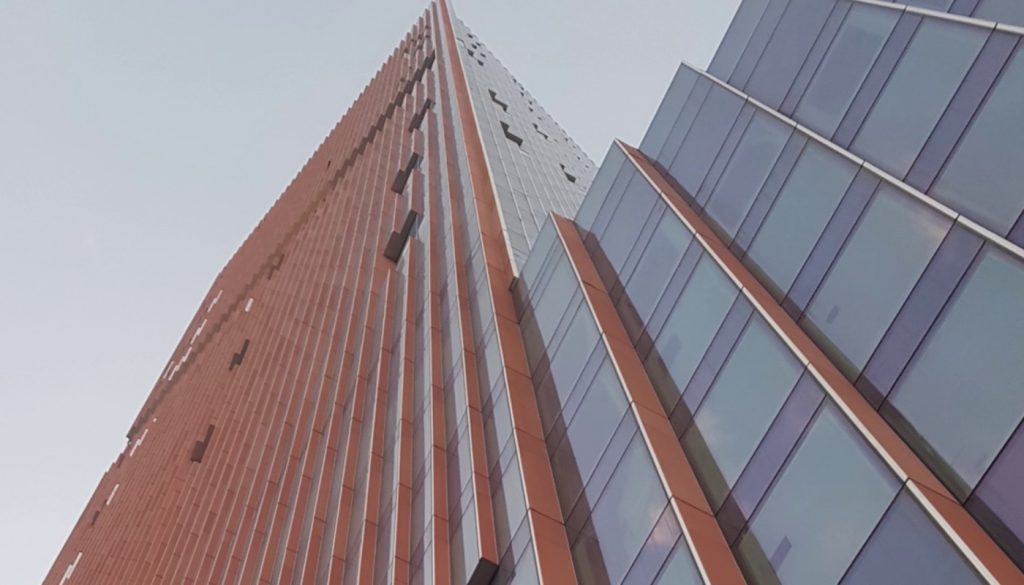
Manhattan Loft Gardens
3,335 bespoke roller blinds integrated with apartment lighting control systems across a landmark tower.
London Office Window Treatments
By combining roller and vertical blinds, we balanced daylight and privacy for a more productive environment.
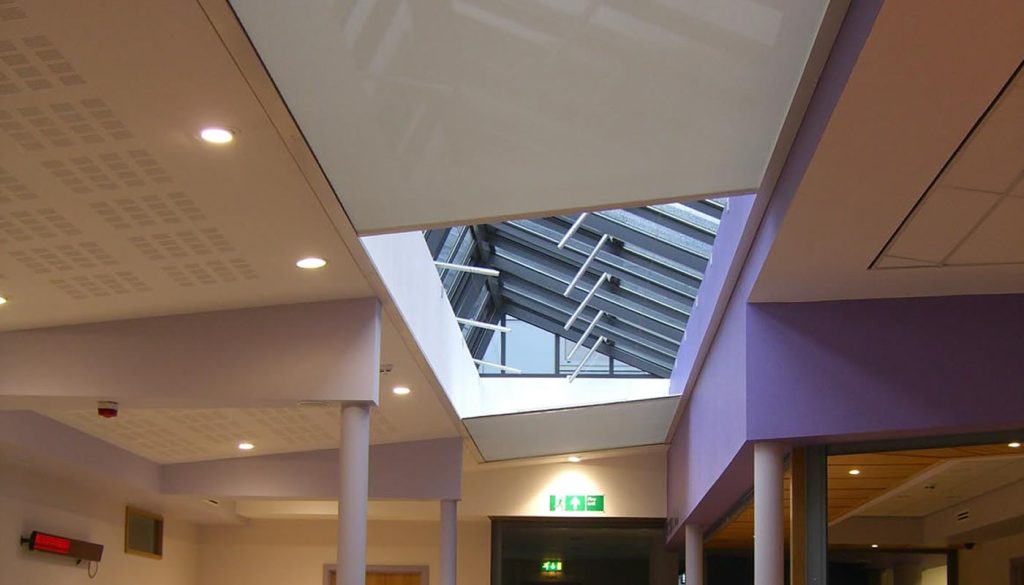
16-Metre Rooflight Blind
Design and installation of a large-span motorised rooflight blind to control daylight in a clinical setting.
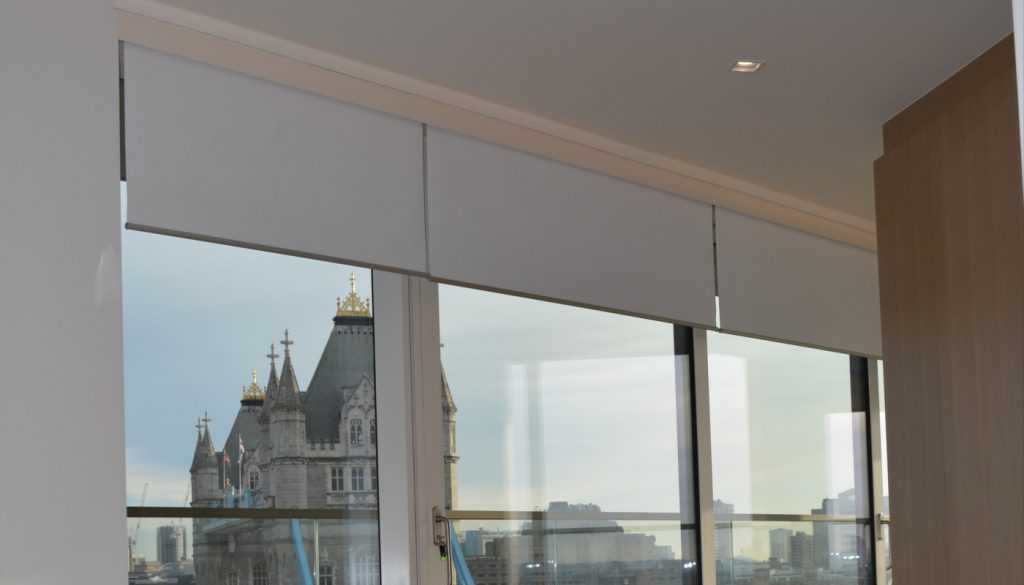
One Tower Bridge
Over 2,000 motorised blinds integrated with each apartment’s home automation system.

Why Enviroscreen?
We work with architects, contractors, facilities teams and building owners to assess, specify, supply and install commercial solar shading systems across the UK.
Our experience covers internal blinds, solar-control fabrics, rooflight systems, window film, external shading and motorised controls.
From drawing review and site survey through to installation, testing and handover, we help you select a practical solution that suits the building, its users and the wider project requirements.
Frequently Asked Questions
Got a question about overheating? Here are answers to some of the most common queries from architects, contractors and facility managers.
Ready to Specify Solar Shading Shading?
We’ll respond within 48 hours with tailored specification support.
Need Help with Overheating or Solar Gain?
We can help you compare suitable options for new-build, retrofit and replacement projects.