
Concealed Blind Systems for Commercial Projects
We design, manufacture, supply and install bespoke concealed blind systems for commercial and high-end residential developments.
You can integrate manual or motorised roller blinds within ceilings, walls, glazing details and architectural finishes, supported by design coordination from early specification through to installation.





Specification Support
Review blind dimensions, recess details, finishes, fixings and access requirements during the design or tender stage.

Bespoke Systems
Blind boxes, recessed headboxes, hidden cassettes and enclosures designed around the building detail.
Motorisation and Controls
Coordinate motors, power supplies, switches, sensors, controls, home automation and BMS connections.

Survey and Installation
Site surveys, programme coordination, specialist access, installation, testing, commissioning and handover.

What is a Concealed Blind System?
A concealed blind system houses the roller, motor and supporting components within the ceiling, wall or surrounding building structure. When the blind is fully retracted, little or none of the mechanism remains visible.
Depending on the project, the system may use a bespoke blind box, ceiling recess, wall pocket, hidden cassette, integrated headbox or concealed rooflight housing.
The correct approach depends on the blind width and drop, fabric roll diameter, motor dimensions, maintenance access and the available construction depth. Early coordination helps ensure that the recess, fixings, power supply and finishes are designed around the chosen blind system.
Concealed Motorised Blinds and Control Systems
Concealed motorised blinds can be controlled through individual wall switches, grouped controls, timers, sensors, lighting systems, home automation or a building management system.
DALI and other project-specific control arrangements can also be coordinated where required. Manual override may be included where the selected system allows it.
Power supplies, motor positions, control zones and access should be agreed early. Once installed, the blinds and controls are commissioned and tested to confirm correct movement, grouping and operation.
|
Coordination area |
Project detail |
What should be confirmed |
|---|---|---|
|
Blind system |
Blind dimensions |
Finished width, drop, fabric weight and roll diameter |
|
Motor position |
Motor size, orientation and cable exit |
|
|
Building integration |
Available recess |
Internal width, height and depth |
|
Blind position |
Relationship with glazing, mullions and ceiling lines |
|
|
Supporting structure |
Concrete, steelwork, timber or additional support |
|
|
Ceiling finish |
Slot dimensions, shadow gaps, trims and tolerances |
|
|
Power and controls |
Electrical supply |
Power feeds, containment and connection points |
|
Controls |
Switches, sensors, automation, DALI, KNX or BMS |
|
|
Installation and access |
Access |
Motor servicing, blind removal and fabric replacement |
|
Installation sequence |
Survey, first fix, ceiling closure, blind installation and commissioning |
Details to Coordinate Early
Concealed blind systems need to be coordinated with the ceiling, glazing, structure and electrical design before finishes are closed. The table below outlines the main details your project team should confirm.
Early coordination reduces design changes
Late decisions can limit the available blind, fabric and motor options. They may also require changes to ceiling openings, supportwork, wiring or maintenance access.
Architects and Specifiers
System selection, recess dimensions, visible finishes, specification information and integration.
Interior Designers
Coordinate colours, trims, fabrics and blind positions with the wider interior scheme.
Main Contractors
Provide clear dimensions, fixing requirements, programme information, RAMS and installation planning.
M&E and Controls Teams
Confirm power supplies, motor positions, control zones, switches and building control connections.
Where Concealed Blind Systems Are Used
Concealed blind systems suit projects where shading, privacy and light control integrate cleanly with the surrounding architecture.

Commercial Office Buildings
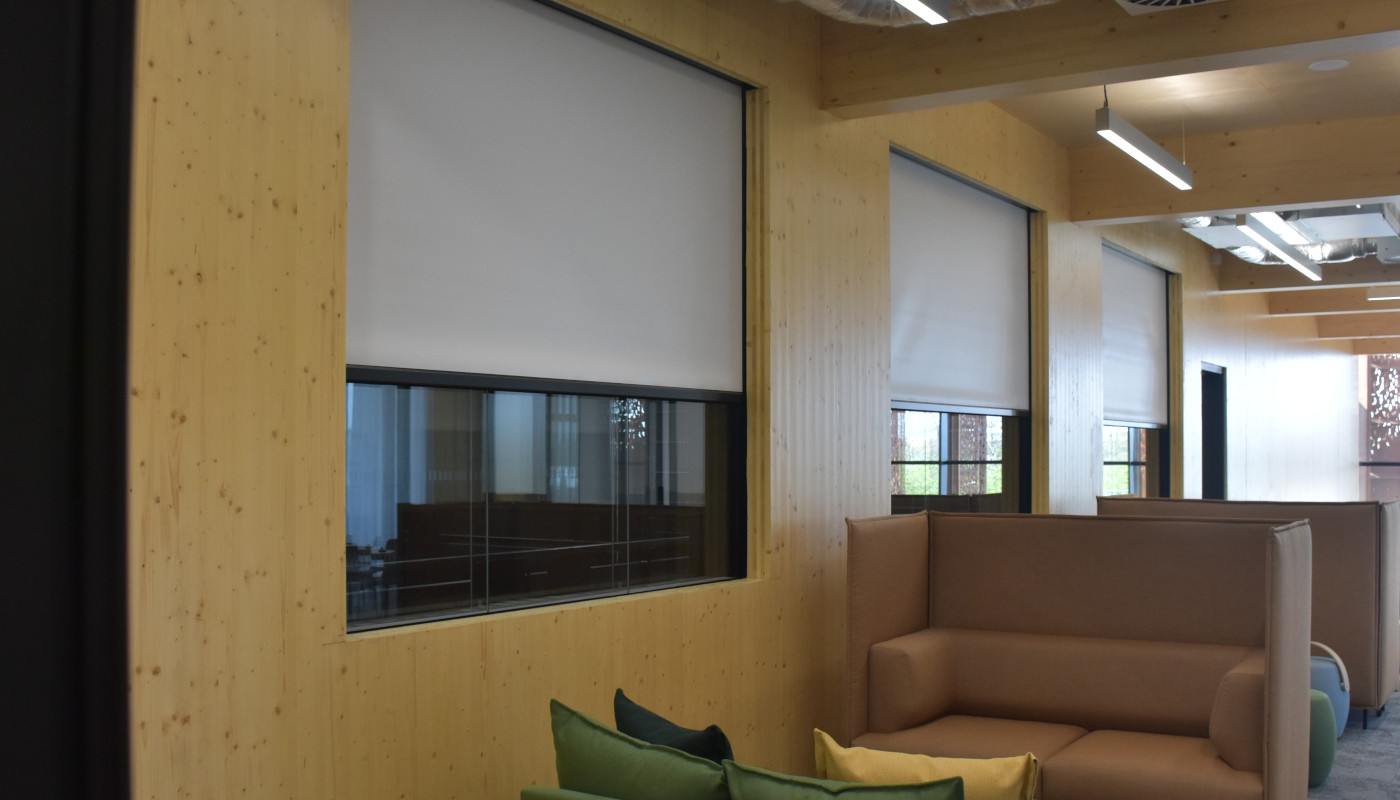
Concealed blinds help you maintain clean ceiling lines while controlling glare, solar gain and privacy across offices, meeting rooms and shared spaces.
Residential Developments
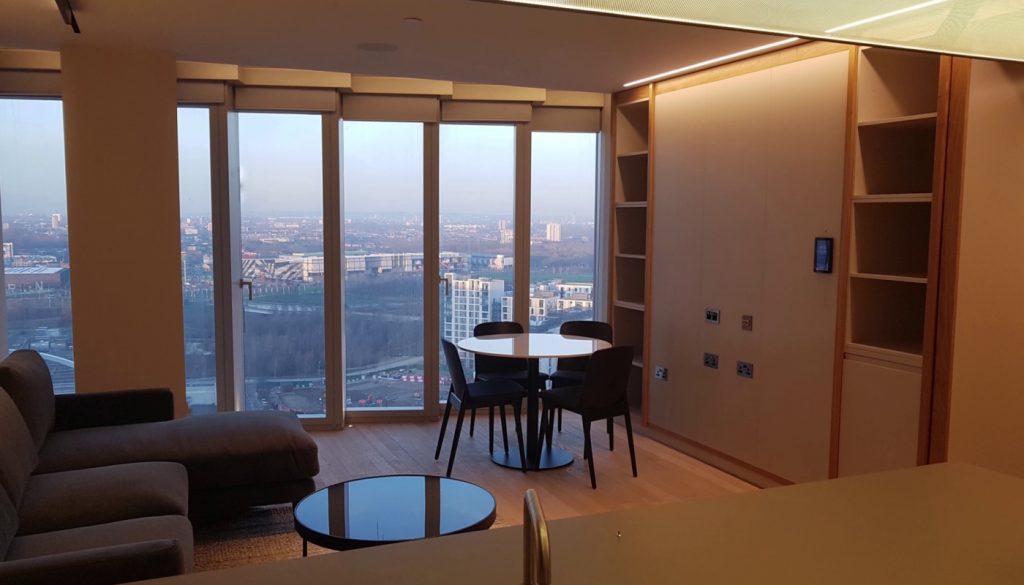
High-rise apartments and build-to-rent schemes can integrate manual or motorised blinds within ceilings and wall pockets for a consistent finish across multiple units.

Hotels and Hospitality
Hidden blind systems support guestrooms, suites, restaurants and event spaces where appearance, privacy and simple operation need to work together.
Education and Public Buildings
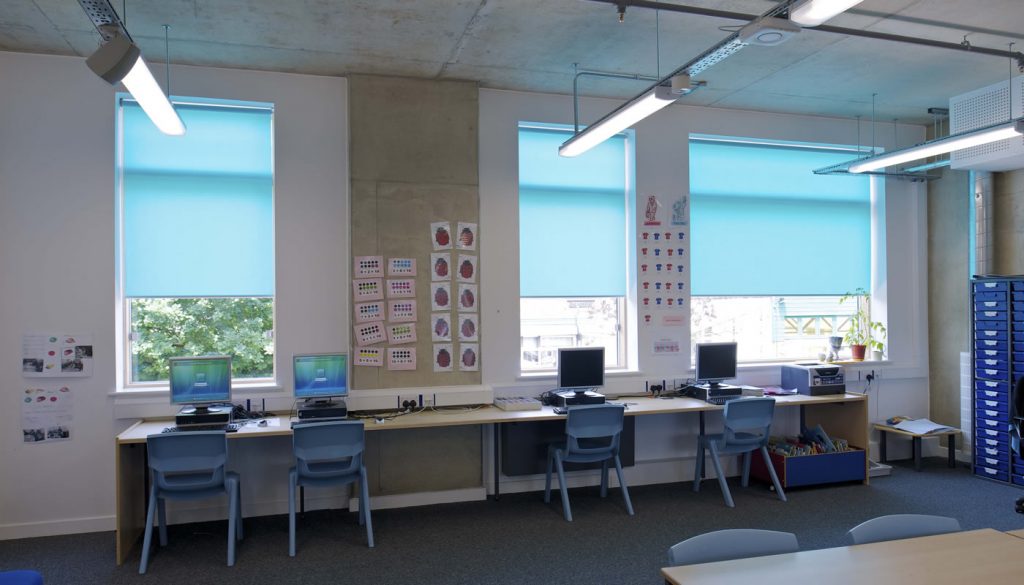
Concealed blinds can be coordinated within classrooms, lecture spaces, civic buildings and public-facing areas where robust operation and tidy detailing are required.
Healthcare and Research Facilities
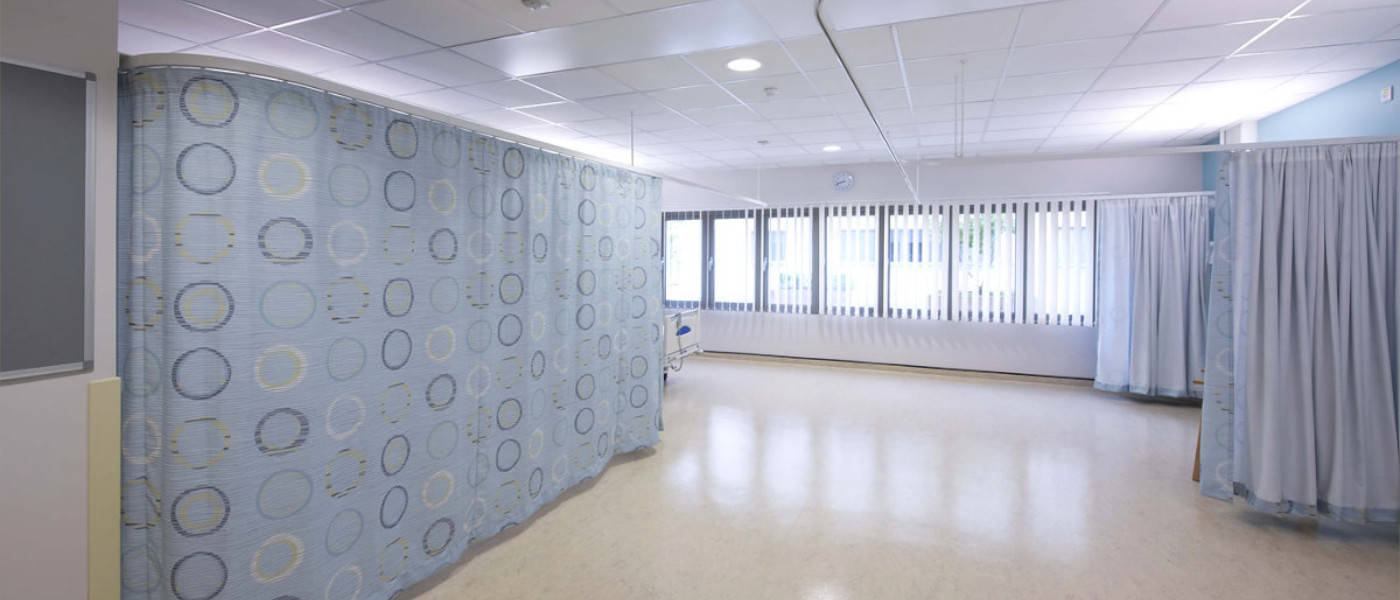
Specialist systems can provide controlled shading or blackout performance within treatment areas, laboratories, observation rooms and research spaces.
Large Glazing and Rooflights
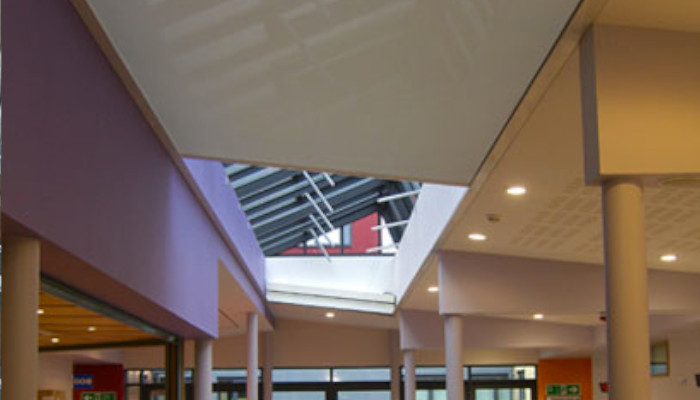
Bespoke housings can conceal blinds within glazed façades, atriums, rooflights and unusually shaped openings where standard blind arrangements are unsuitable.
Proven Concealed Blinds Projects Across the UK

Manhattan Loft Gardens
3,335 bespoke roller blinds integrated with apartment lighting control systems across a landmark tower.
One Tower Bridge
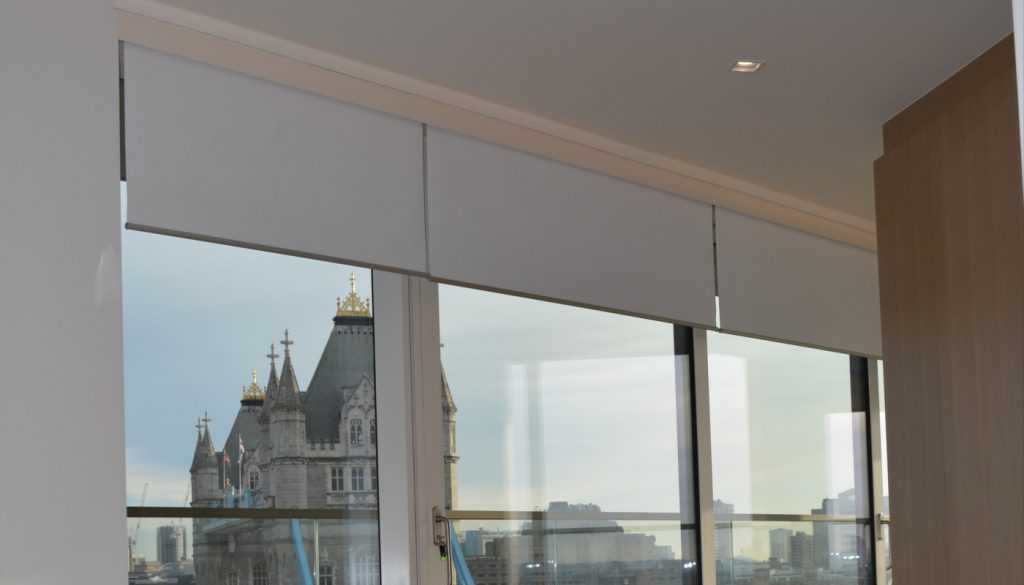
Over 2,000 motorised blinds integrated with each apartment’s home automation system.
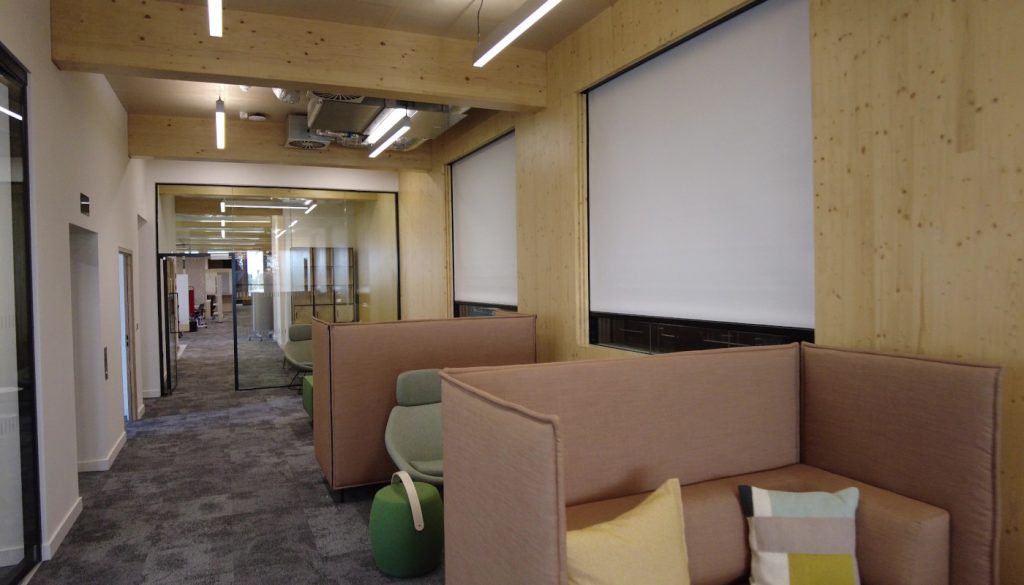
PEARL UCL
We installed automated blackout blinds for observation spaces, alongside super-size roller blinds in the foyer.
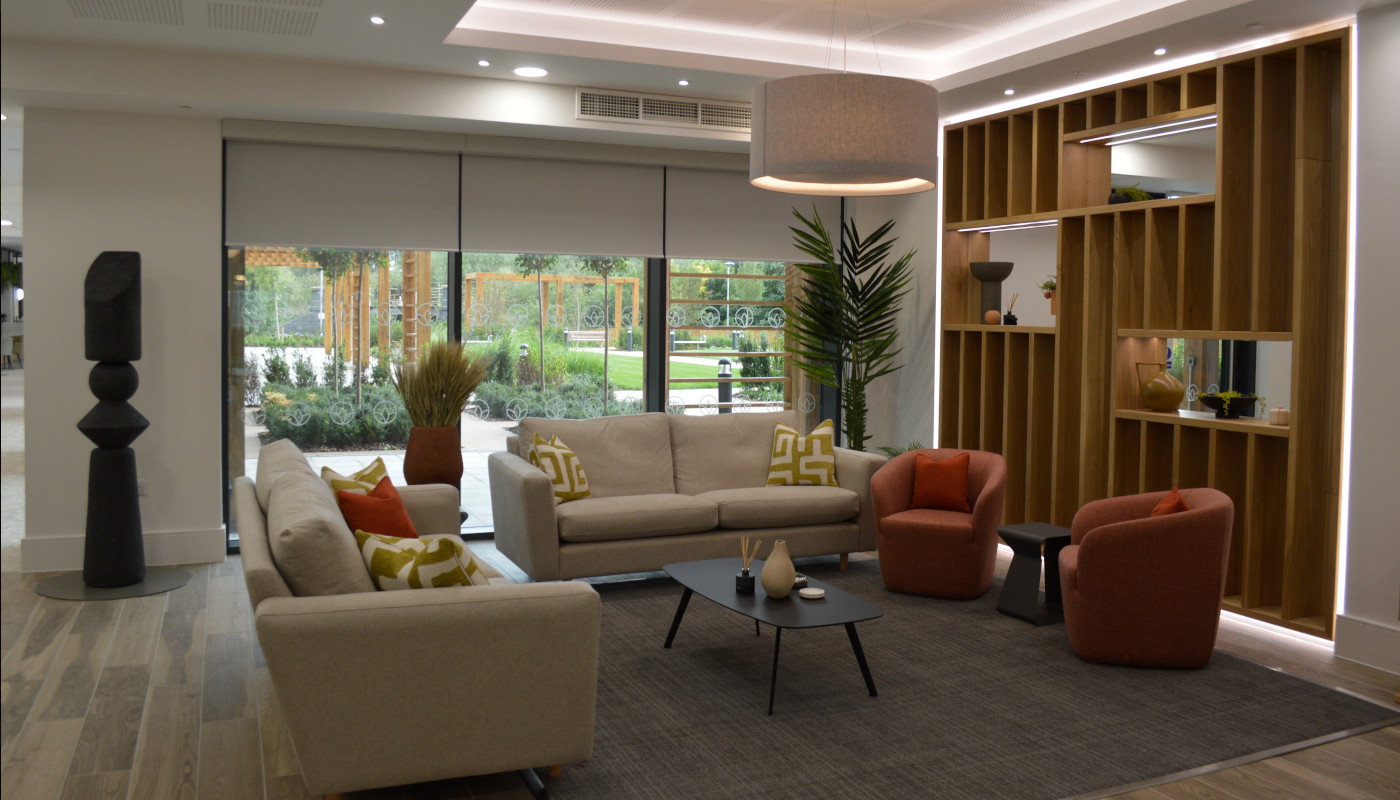
Mayfield Watford
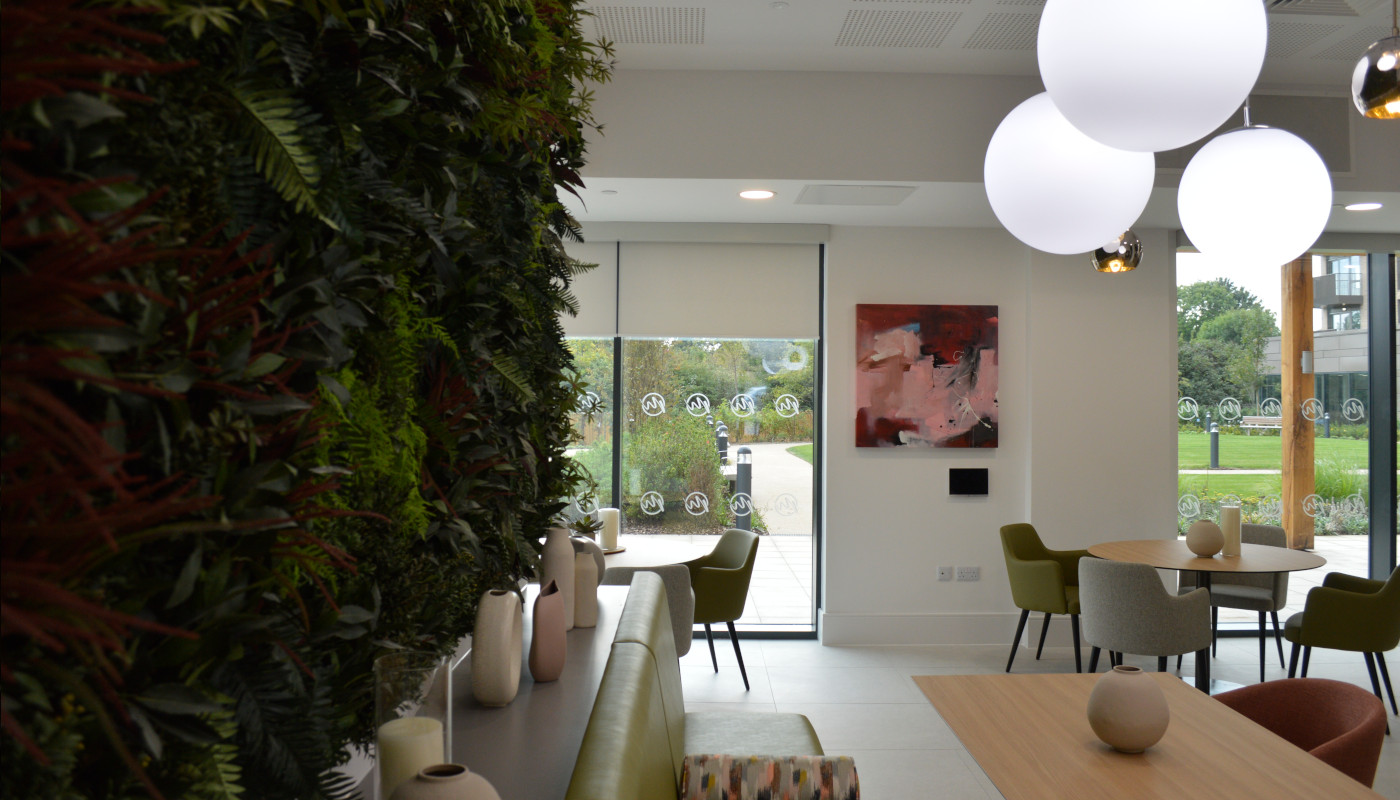
Coordinated motorised blinds complement this award-winning retirement development.
From Drawings to Installation
Assess elevations, ceiling plans, sections, blind schedules, finishes and control requirements.
Confirm blind sizes, concealment details, supports, power, controls, access and finishes.
Prepare bespoke housings, blind systems, motors, fabrics, fixings and finished components.
Plan access, install and test systems, commission controls and complete handover.
Why Enviroscreen?
Established in 1994, we work with architects, designers, contractors and estates teams across commercial, public-sector and high-end residential projects.
We design bespoke concealed blind systems around the building detail, then manufacture, supply and install the required components. Support is available for supply-only packages as well as complete installation projects.
Our team can also manage complex access requirements using appropriate access equipment and trained personnel. ISO 9001 and CHAS accreditation support our approach to quality and site safety.
After installation, we can provide practical guidance on operation, maintenance access, servicing and future fabric or component replacement.
Frequently Asked Questions
Got a question about concealed blinds? Here are answers to some of the most common queries from architects, contractors and facility managers.
Ready to Specify Concealed Blinds?
We’ll respond within 48 hours with tailored specification support.
Ready to Specify Concealed Blinds For Your Project?
Our team is here to provide expert advice, technical specifications and professional installation across the UK.