
BMS Blind Control and Automated Solar Shading Integration
We design, supply, install and commission automated commercial blind systems for connection with BMS, iBMS and local control platforms.
Send us your drawings, blind schedule or control brief for project-specific specification and coordination support.





Design and Specification
We review blind sizes, motor requirements, recess details, drawings and control intent before the system reaches site.
Controls Integration
We coordinate interfaces, zones, sensors, local overrides and connection requirements with your M&E and controls teams.

Survey and Installation
We confirm dimensions, fixing conditions, access, power readiness and installation sequencing before fitting.
Testing and Handover
We test blind operation, and support systems as well as providing the agreed handover and maintenance information.

How Do Blinds Connect With a BMS or iBMS?
Motorised blinds usually connect to a BMS, iBMS or local automation system through a coordinated control package.
This may include blind motors, group controllers, relays, gateways, sensors and software interfaces. The BMS can send commands to raise, lower or stop the blinds and, in some systems, receive position or fault information.
Some projects use hard-wired relay contacts. Others require a protocol gateway or specialist controller between the blind motors and the wider building controls.
The final arrangement depends on the motors, control protocol, BMS platform and required control logic. Compatibility and responsibility for power, cabling, programming, testing and commissioning should be confirmed during design.
Automated Blind Control and Integration Routes
Commercial automated blinds can be controlled locally, centrally or through a combination of both.
The most suitable route depends on the building, project stage, number of blinds, required user control and the wider controls strategy.
DALI, KNX and BACnet/IP connections may require gateways, relays or specialist control interfaces. Individual blind motors may not communicate directly with the building protocol.
The control architecture should be agreed before motors, controllers and electrical requirements are finalised.
For a broader overview of smart shading principles and building automation, read our guide to smart blinds and curtains with BMS control.
|
Control route |
Typical use |
Main coordination requirements |
|---|---|---|
|
Hard-wired control |
New builds, large installations and fixed control strategies |
Power, containment, control cabling, controller locations and termination responsibilities |
|
Wireless control |
Refurbishments, finished spaces and projects where control cabling is limited |
Signal coverage, gateways, motor power, device locations and system security |
|
Building integration |
Available recess |
Internal width, height and depth |
|
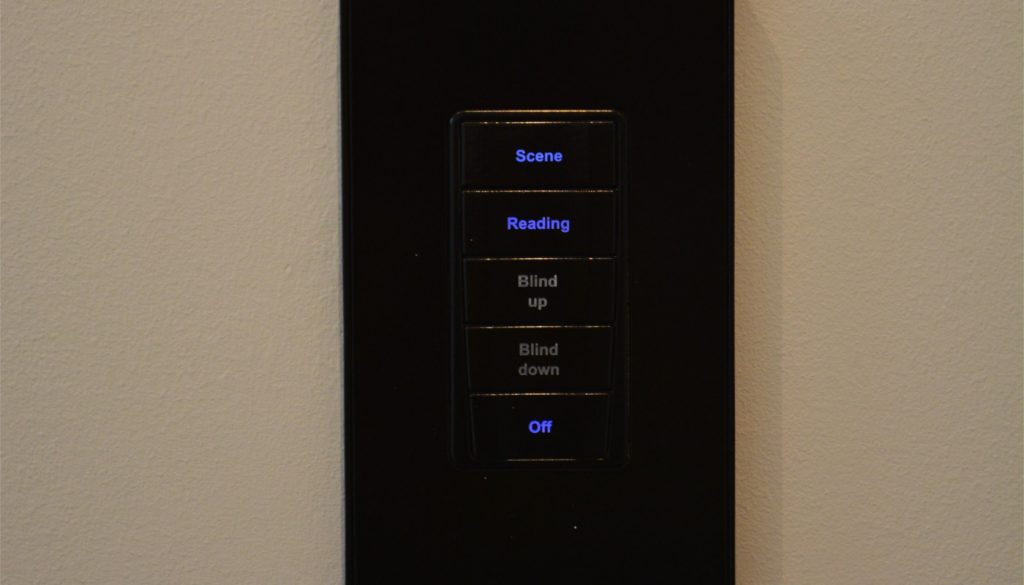
Local switches |
Room-level or occupant control |
Switch type, location, cabling, operating priority and disabled-access requirements |
|
Group control |
Operating multiple blinds together |
Group sizes, zones, addressing, controller capacity and override arrangements |
|
Timers |
Scheduled opening, closing or setback positions |
Programme ownership, seasonal adjustment, holiday settings and user overrides |
|
Sun and light sensors |
Automatic response to brightness, glare or solar exposure |
Sensor position, trigger levels, façade orientation, zones and delay settings |
|
DALI |
Coordination with lighting or room-control systems |
Compatible interfaces, addressing, device type, programming and controls scope |
|
KNX |
Building-wide room and automation control |
KNX interface, group addresses, control logic, programming and testing |
|
BACnet/IP |
Communication with a central BMS platform |
Gateway requirements, network points, data objects, commands and feedback |
|
Somfy control systems |
Local, wireless, grouped or building-level blind control |
Motor range, controller type, gateway selection and project-specific compatibility |
|
BMS or iBMS connection |
Central control, monitoring and building-wide automation |
Required commands, status feedback, alarms, interfaces and integrated testing |
Where BMS-Controlled Blinds Are Commonly Specified
BMS-controlled blinds can provide coordinated light, glare and solar control across individual rooms, zones or entire buildings.

Commercial Office Buildings
Zoned glare control, meeting-room privacy and coordination with lighting, occupancy or workplace systems.

High-Rise Developments
Repeated blind systems, apartment controls, façade coordination and installation across large elevations.
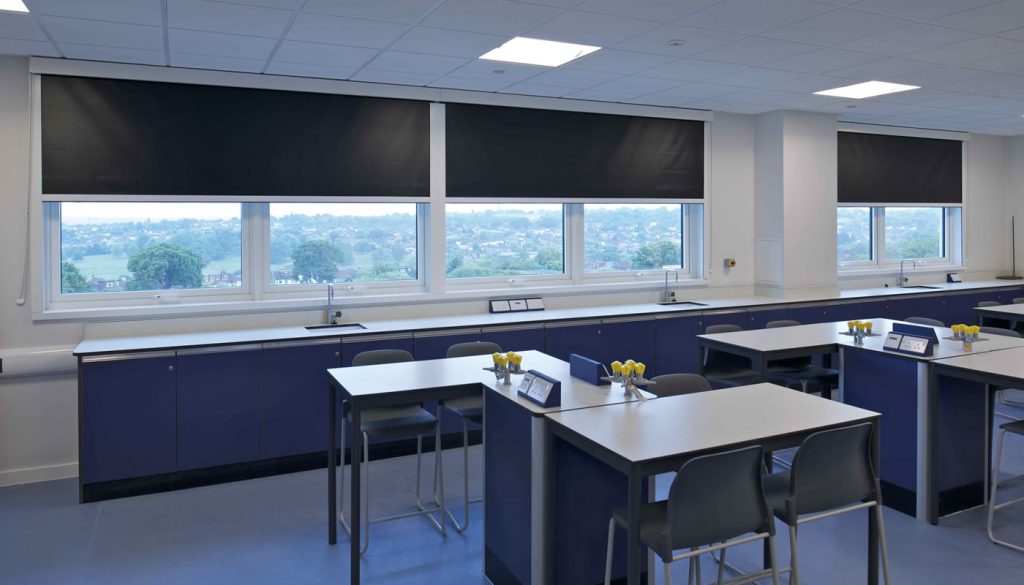
Education and Research
Automated shading for lecture rooms, laboratories, controlled environments, atriums and glazed teaching areas.
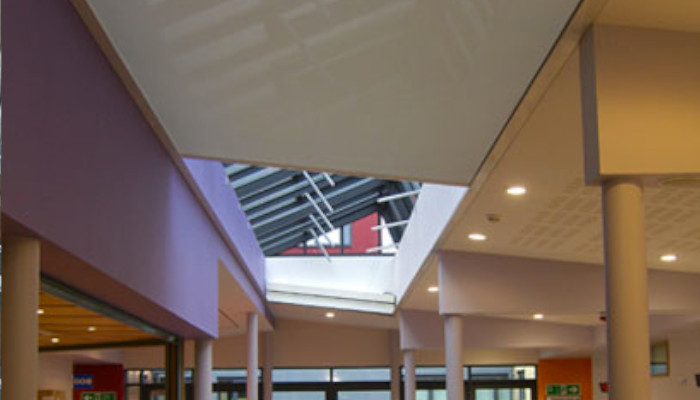
Healthcare and Public Buildings
Central operation, hard-to-reach glazing, maintenance access and control across occupied buildings.
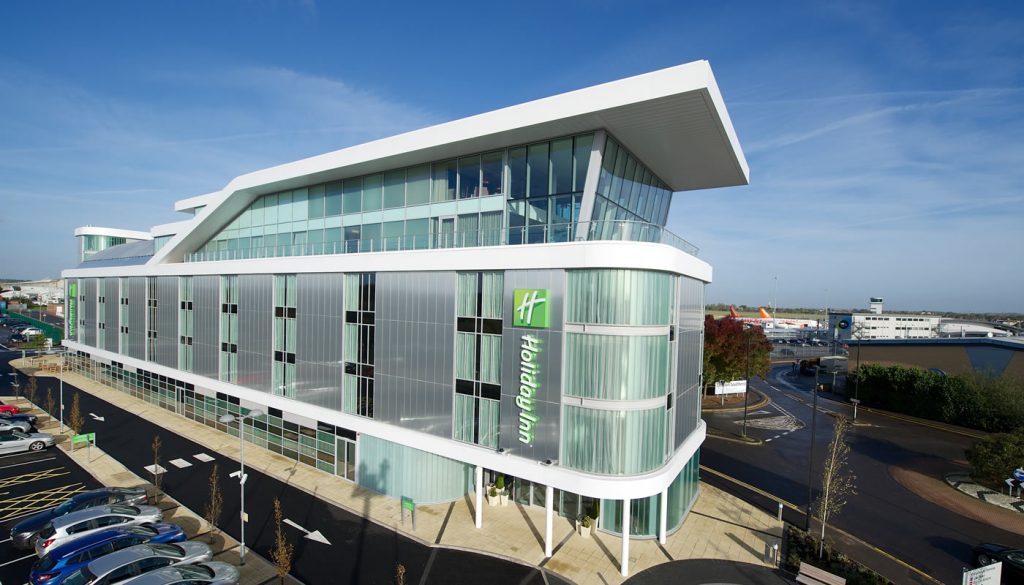
Hotels and Hospitality
Guest-room operation, blackout control, public-area shading and coordination with interior finishes.
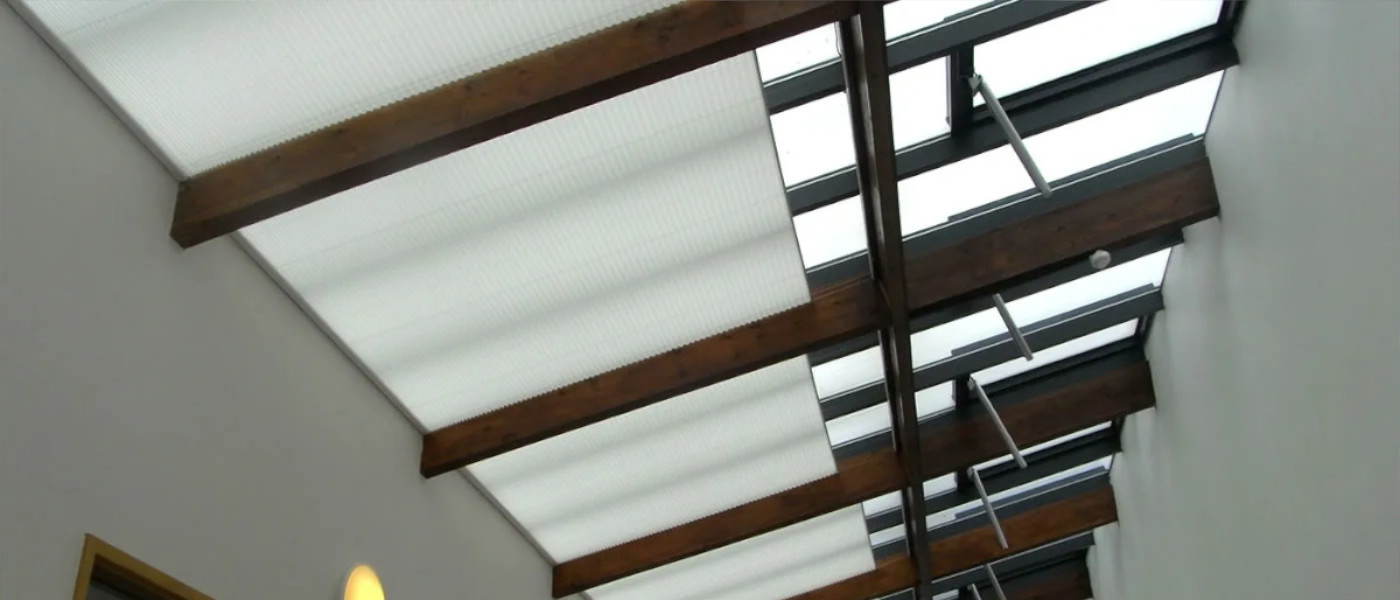
Rooflights and Large Façades
Grouped motorised blinds, sensor control, specialist access and automation across high-level glazing.
Project Team Coordination
The responsibility split varies between projects. It should be recorded within the specification, controls strategy and subcontract scopes.
Architect and Façade Coordination
Confirm blind positions, recesses, headboxes, structural support, finishes and maintenance access.
M&E and Controls Coordination
Confirm power, containment, cabling, interfaces, sensors, zones and control logic.
Contractor and Fit-Out Coordination
Agree access, ceiling sequencing, installation dates, protection, testing and trade responsibilities.
Facilities and Maintenance
Confirm overrides, fault access, replacement routes, user training and future servicing requirements.
Proven Blind Automation Projects Across the UK
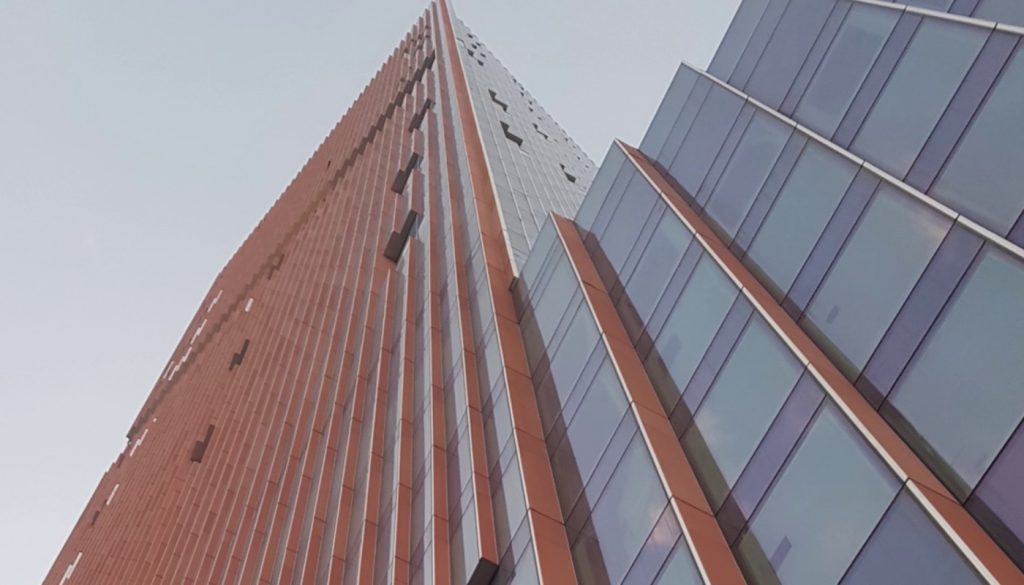
Manhattan Loft Gardens
3,335 bespoke roller blinds integrated with apartment lighting control systems across a landmark tower.
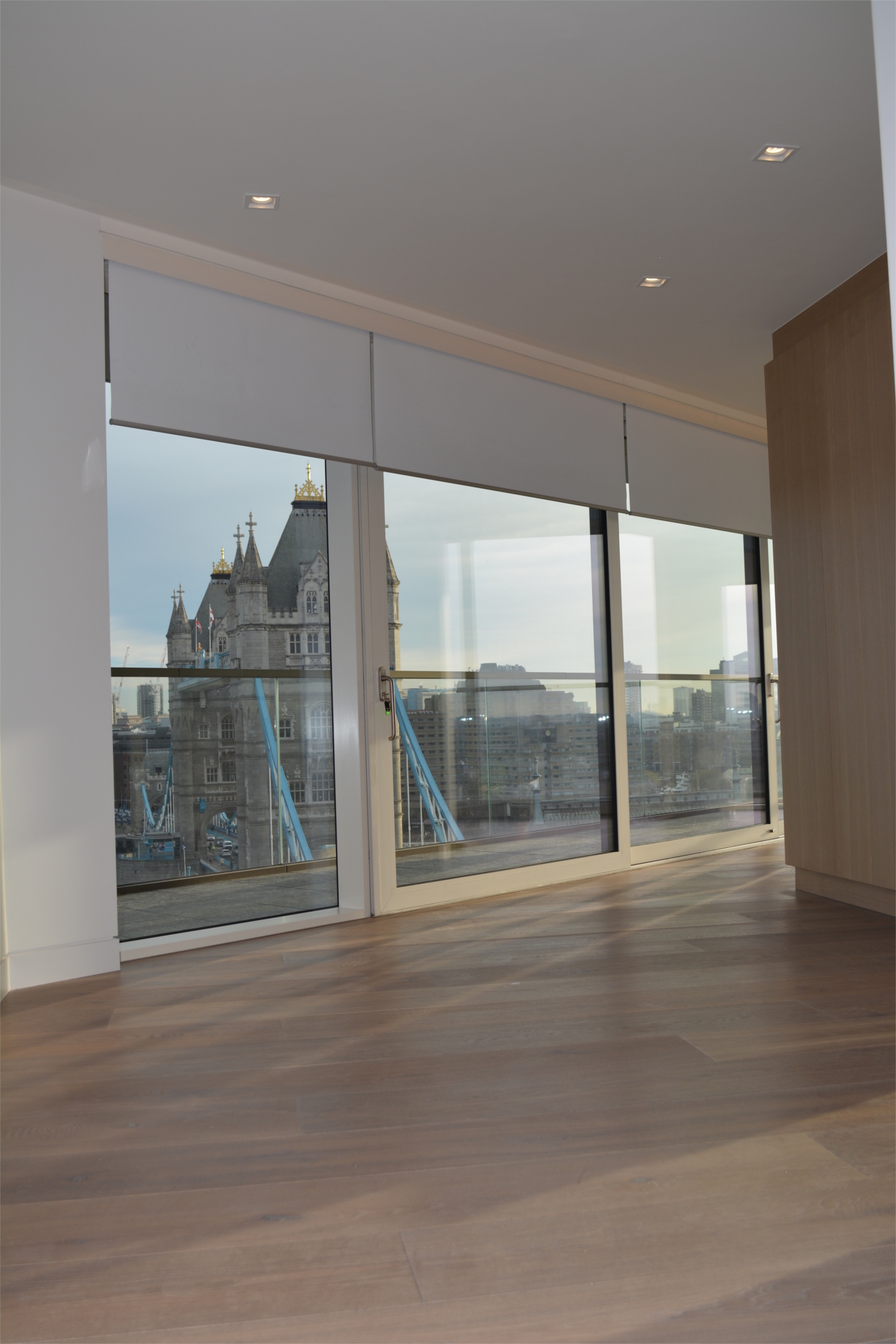
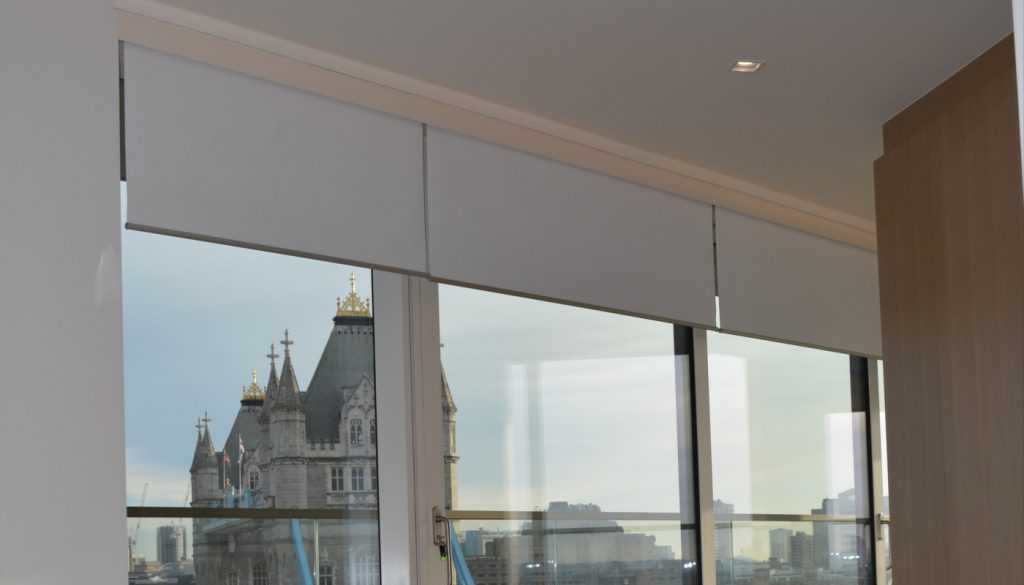
One Tower Bridge
Over 2,000 motorised blinds integrated with each apartment’s home automation system.
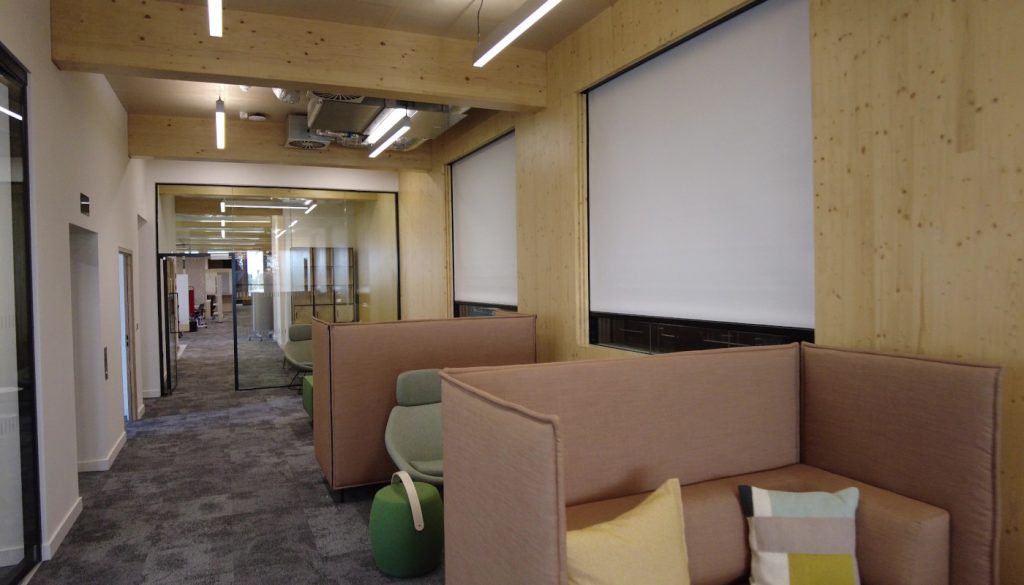
PEARL UCL
We installed automated blackout blinds for observation spaces, alongside super-size roller blinds in the foyer.
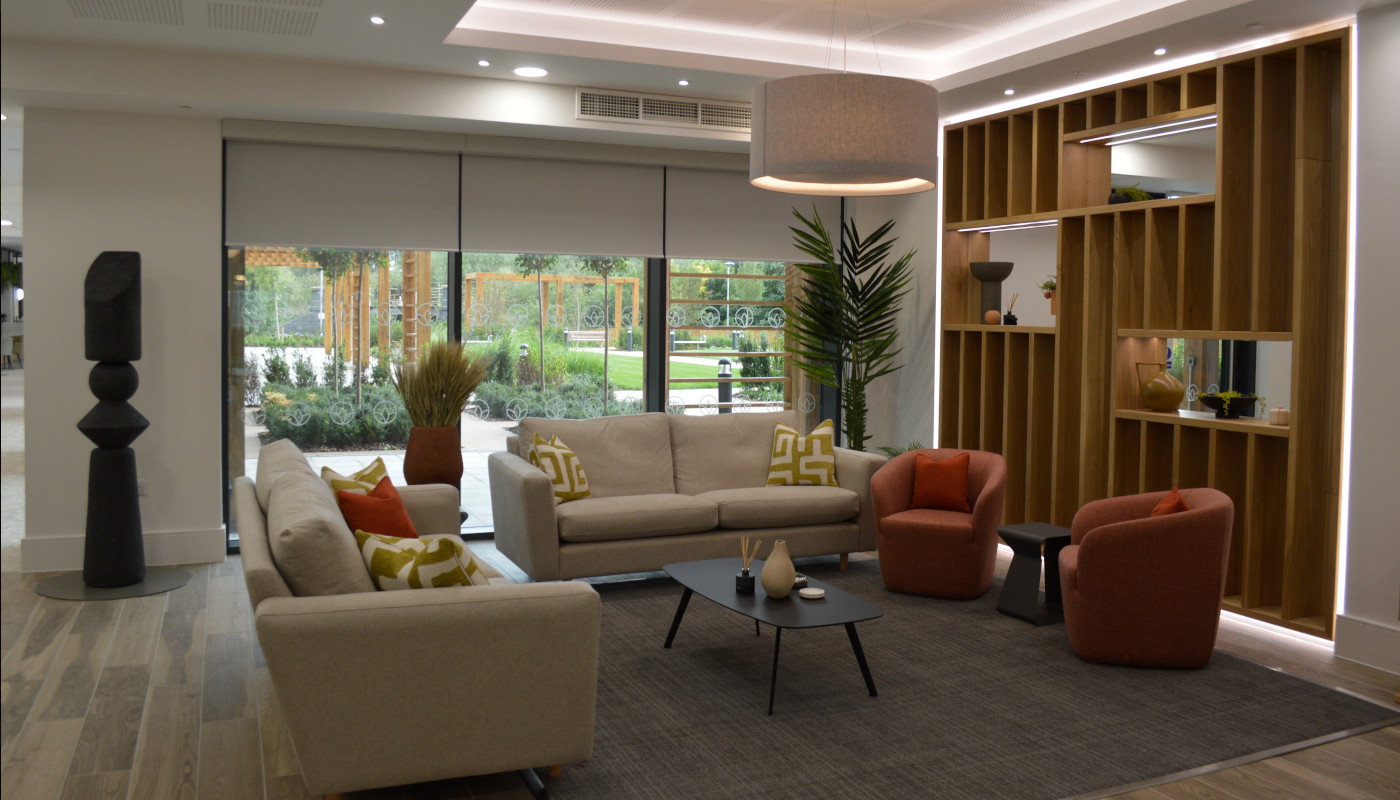
Mayfield Watford
Coordinated motorised blinds complement this award-winning retirement development.
From Drawings to Installation
Assess drawings, control requirements, schedules, and project information.
Confirm motors, power, interfaces, zones, access & installation responsibilities.
Survey, manufacture and install the coordinated blind and control package.
Test, commission and provide handover information.
Why Enviroscreen?
We support automated blind projects from early design through installation, testing and handover.
Our team reviews drawings, blind schedules, ceiling details and control requirements before helping you select the blind system, motors and control equipment.
We coordinate with architects, M&E consultants, controls specialists and contractors to confirm dimensions, fixings, power, interfaces, access and installation sequencing.
Our scope can include surveys, bespoke blind boxes, manufacture, supply, installation, testing, commissioning support, handover information and servicing.
Keeping the blind, motor and installation package with one specialist gives your team a clear point of coordination throughout the project.
Frequently Asked Questions
Got a question about automated shading? Here are answers to some of the most common queries from architects, contractors and facility managers.
Ready to Specify Automated Shading?
We’ll respond within 48 hours with tailored specification support.
Send Us Your Control Brief
You can contact us during early design, tender or construction.